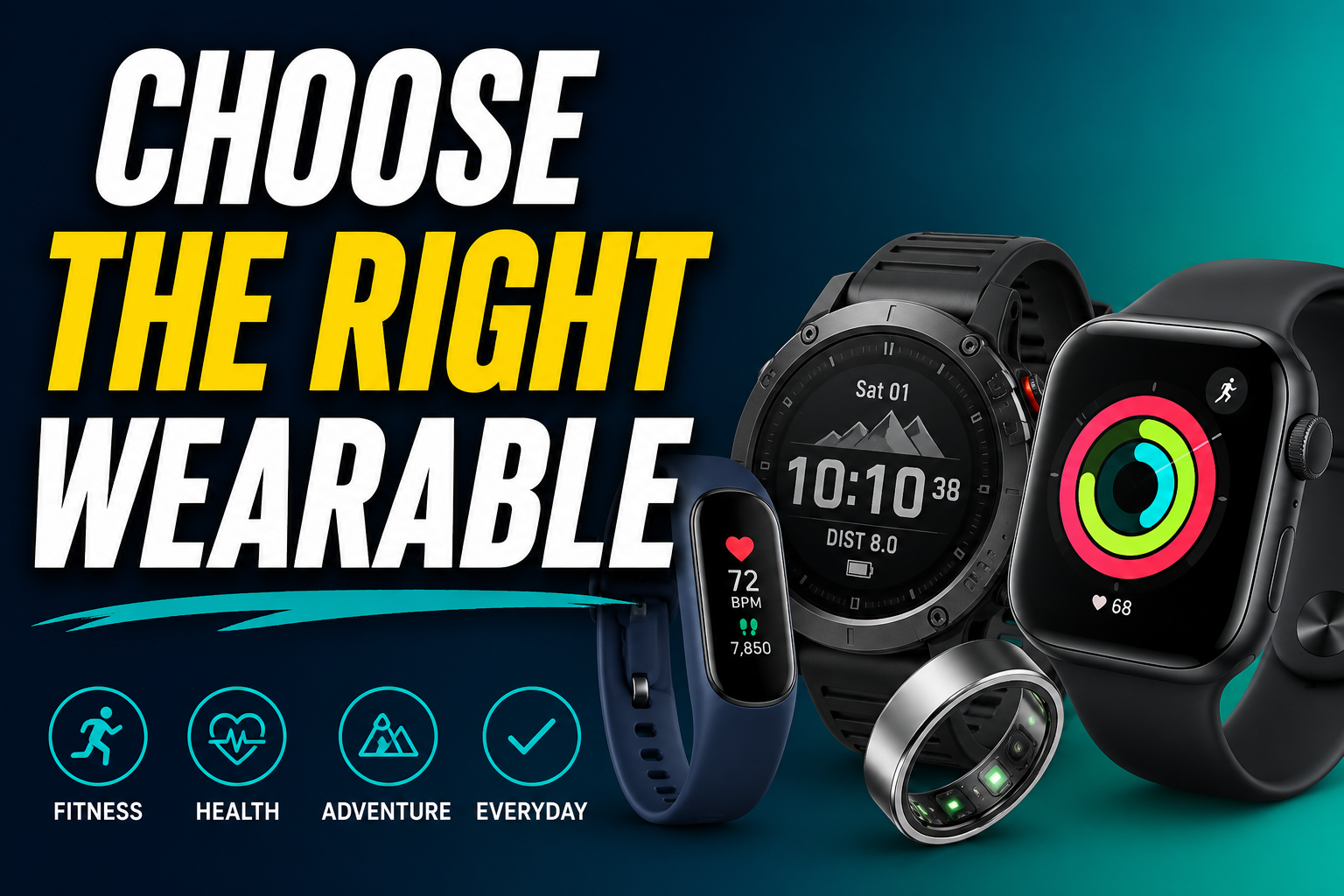
Choose the Right Wearable Gadget for Your Lifestyle
Wearable technology has become an essential part of everyday life. From tracking your daily steps to monitoring heart health, improving athletic performance, and even making contactless payments, today’s wearable gadgets are smarter and more capable than ever before.
But with hundreds of devices on the market, choosing the right wearable can feel overwhelming. The best wearable isn’t necessarily the one with the most features—it’s the one that fits your lifestyle, goals, budget, and daily routine.
This guide will help you identify which type of wearable is best for you and what features truly matter.
Quick Comparison Table
| Lifestyle | Best Wearable | Key Features | Best For |
|---|---|---|---|
| Everyday Use | Smartwatch | Notifications, apps, payments | General users |
| Fitness | Fitness Tracker | Activity, calories, workouts | Exercise enthusiasts |
| Running | GPS Sports Watch | Pace, maps, heart rate | Runners |
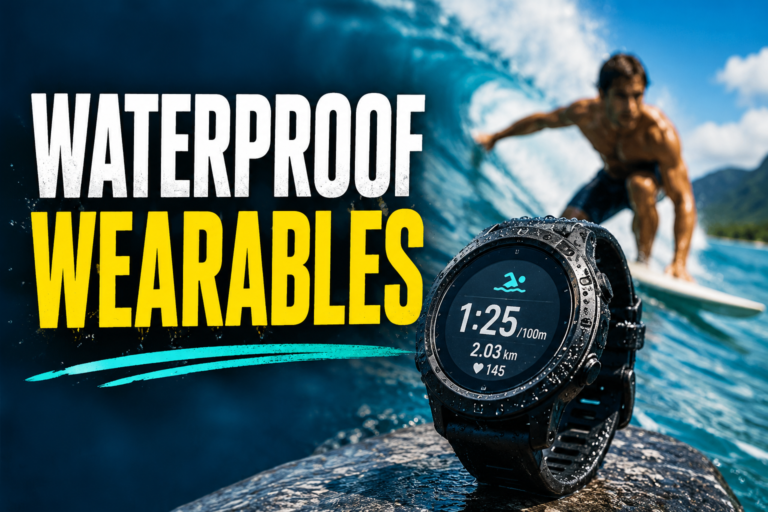
| Swimming | Waterproof Watch | Swim metrics, water resistance | Swimmers |
| Hiking | Adventure Watch | GPS, altimeter, compass | Outdoor enthusiasts |
| Health Monitoring | Smart Ring | Sleep, recovery, heart rate | Wellness tracking |
| Professional | Premium Smartwatch | Productivity, calls, calendar | Business users |
Why Buy a Wearable?
Wearables help people better understand their health, productivity, and daily habits.
Common benefits include:
- Improved fitness tracking
- Better sleep monitoring
- Heart health insights
- Stress management
- Navigation
- Contactless payments
- Smartphone notifications
- Emergency safety features
- Workout coaching
- Daily motivation
The right wearable becomes an extension of your smartphone while providing valuable insights throughout the day.
Step 1: Define Your Primary Goal
Before comparing brands or features, decide what you want your wearable to do.
Ask yourself:
- Do I want to get healthier?
- Am I training for sports?
- Do I want better sleep?
- Do I need GPS navigation?
- Will I use it every day?
- Is battery life important?
- Do I need cellular connectivity?
- Do I care about fashion?
Knowing your primary goal eliminates many unnecessary options.
Step 2: Match the Wearable to Your Lifestyle
For Casual Users
A standard smartwatch offers:
- Notifications
- Calls
- Text messaging
- Weather
- Calendar
- Music controls
- Mobile payments
- Voice assistants
This is ideal for people who want convenience without specialized fitness features.
For Fitness Enthusiasts
Choose a fitness tracker if your focus is:
- Daily activity
- Calories burned
- Exercise tracking
- Heart rate
- Workout history
- Motivation badges
Fitness trackers are typically lighter, more affordable, and offer longer battery life than full-featured smartwatches.
For Serious Athletes
Athletes should prioritize:
- Multi-band GPS
- Advanced heart-rate monitoring
- VO2 Max estimates
- Recovery metrics
- Training readiness
- Running dynamics
- Interval workouts
- Navigation
- Long battery life
These devices are built for performance rather than everyday productivity.
For Outdoor Adventures
Outdoor enthusiasts benefit from wearables with:
- Offline maps
- Compass
- Barometric altimeter
- Storm alerts
- Sunrise and sunset data
- Long battery life
- Rugged construction
- Emergency SOS features
These watches are designed to withstand harsh environments.
For Health-Focused Users
Some wearables specialize in wellness.
Popular health metrics include:
- Resting heart rate
- Sleep stages
- Heart rate variability (HRV)
- Blood oxygen trends
- Skin temperature
- Stress tracking
- Recovery scores
- Respiratory rate
These insights can help users make informed lifestyle decisions over time.
Types of Wearable Gadgets
Smartwatches
Best for:
- Everyday productivity
- Notifications
- Communication
- Fitness
- Mobile payments
Pros:
- Versatile
- Feature-rich
- App ecosystem
- Stylish designs
Cons:
- Shorter battery life
- Higher cost
- More frequent charging
Fitness Trackers
Best for:
- Activity monitoring
- Weight loss
- Beginners
- Everyday exercise
Pros:
- Affordable
- Lightweight
- Excellent battery life
Cons:
- Smaller displays
- Fewer smart features
Smart Rings
Best for:
- Sleep tracking
- Recovery monitoring
- Minimalist users
Pros:
- Comfortable
- Long battery life
- Discreet design
Cons:
- Limited screen interaction
- Fewer productivity features
GPS Sports Watches
Best for:
- Running
- Cycling
- Triathlons
- Hiking
- Adventure sports
Pros:
- Accurate GPS
- Extensive fitness metrics
- Rugged construction
Cons:
- Bulkier design
- Higher price
Specialized Wearables
Examples include:
- Dive computers
- Smart goggles
- Bone-conduction headphones
- Medical monitoring devices
- Wearable cameras
These are designed for specific activities rather than general everyday use.
Features Worth Paying For
Some features provide significant value regardless of your lifestyle.
Consider prioritizing:
- Accurate heart-rate monitoring
- Built-in GPS
- Long battery life
- Water resistance
- Fast charging
- Bright outdoor display
- Automatic workout detection
- Fall detection
- Emergency SOS
- Contactless payments
These features tend to improve both convenience and long-term usability.
Features You May Not Need
Some premium features sound impressive but may go unused.
Examples include:
- LTE connectivity if your phone is always nearby
- Hundreds of sport modes you’ll never use
- Offline music storage if you stream from your phone
- Premium materials if durability isn’t a concern
- Deep diving certifications for land-based users
Paying only for features you’ll actually use helps maximize value.
Battery Life Matters
Battery life varies significantly between wearable categories.
Typical expectations include:
| Device Type | Average Battery Life |
|---|---|
| Smartwatch | 1–3 days |
| Fitness Tracker | 7–14 days |
| Smart Ring | 5–10 days |
| GPS Sports Watch | 10–30 days |
| Adventure Watch | 20–40 days |
Frequent GPS use and always-on displays can reduce battery life considerably.
Smartphone Compatibility
Before purchasing, ensure the wearable works well with your smartphone.
Check for:
- Operating system compatibility
- App availability
- Notification support
- Voice assistant integration
- Mobile payment support
- Health data synchronization
A wearable is most useful when it integrates seamlessly with your existing devices.
Comfort and Fit
You’ll likely wear your device for many hours each day.
Consider:
- Weight
- Band material
- Adjustable sizing
- Screen size
- Thickness
- Skin sensitivity
- Breathability
A comfortable wearable is one you’re more likely to use consistently.
Privacy and Data Security
Wearables collect sensitive personal information.
Review the manufacturer’s policies regarding:
- Data encryption
- Cloud storage
- Account security
- Multi-factor authentication
- Data sharing practices
- Privacy controls
- Firmware updates
Choosing a reputable manufacturer can help protect your personal information.
Common Buying Mistakes
Avoid these common errors:
- Buying based solely on brand popularity.
- Choosing features you’ll never use.
- Ignoring battery life.
- Forgetting to check smartphone compatibility.
- Buying a device that doesn’t fit your wrist comfortably.
- Overlooking warranty and support.
- Assuming expensive always means better.
Questions to Ask Before Buying
Before making your purchase, answer these questions:
- What is my primary reason for buying a wearable?
- How often will I wear it?
- Which health metrics matter most to me?
- Do I need GPS or just activity tracking?
- How important is battery life?
- Will I wear it while sleeping?
- Does it support the activities I enjoy?
- Is it compatible with my smartphone?
These answers will help narrow your choices quickly.
Future Trends in Wearable Technology
Wearables continue to evolve rapidly.
Emerging innovations include:
- Non-invasive health monitoring
- AI-powered wellness coaching
- Improved battery technology
- Flexible and lightweight displays
- Enhanced sleep analytics
- More accurate fitness sensors
- Expanded satellite connectivity
- Smarter emergency response features
As technology advances, wearables are expected to become even more personalized and capable.
Right Wearable Gadget
The right wearable gadget should simplify your life, support your goals, and fit comfortably into your daily routine. Whether you’re looking for better fitness tracking, improved health insights, enhanced productivity, or outdoor navigation, there is a wearable designed to meet your needs.
Start by identifying your priorities, compare the features that matter most, and avoid paying for capabilities you’ll never use. A thoughtfully chosen wearable can become a valuable companion that helps you stay informed, motivated, and connected every day.
Frequently Asked Questions
What is the difference between a smartwatch and a fitness tracker?
A smartwatch offers broader functionality such as notifications, apps, calls, and mobile payments, while a fitness tracker focuses primarily on health and activity monitoring with longer battery life.
Are smart rings accurate for health tracking?
Many smart rings provide reliable sleep, heart rate, and recovery data. While they may not replace medical devices, they offer useful insights for tracking long-term wellness trends.
Do I need built-in GPS?
Built-in GPS is ideal for runners, cyclists, hikers, and outdoor athletes who want to track routes without carrying a smartphone. Casual users may not need this feature.
How waterproof should a wearable be?
For everyday use and swimming, a device rated at least 5 ATM is generally sufficient. If you plan to surf, snorkel, or scuba dive, choose a wearable with higher water-resistance ratings or dive-specific certification.
How long should a wearable battery last?
Battery life depends on the device type. Smartwatches often last one to three days, while fitness trackers and GPS sports watches can last a week or longer between charges.
Are expensive wearables always better?
Not necessarily. The best wearable is the one that meets your specific needs. Paying for advanced features you won’t use may not provide better value.
Can wearables replace medical devices?
Consumer wearables can provide helpful health insights, but they are not intended to diagnose, treat, or replace professional medical equipment or advice.
How often should I upgrade my wearable?
Most users can expect a quality wearable to remain useful for three to five years. Upgrade when you need new health features, improved battery life, or enhanced compatibility with newer devices.