Heads up: some links on this page are affiliate links. As an Amazon Associate, we earn from qualifying purchases, at no extra cost to you. Read our full disclosure.
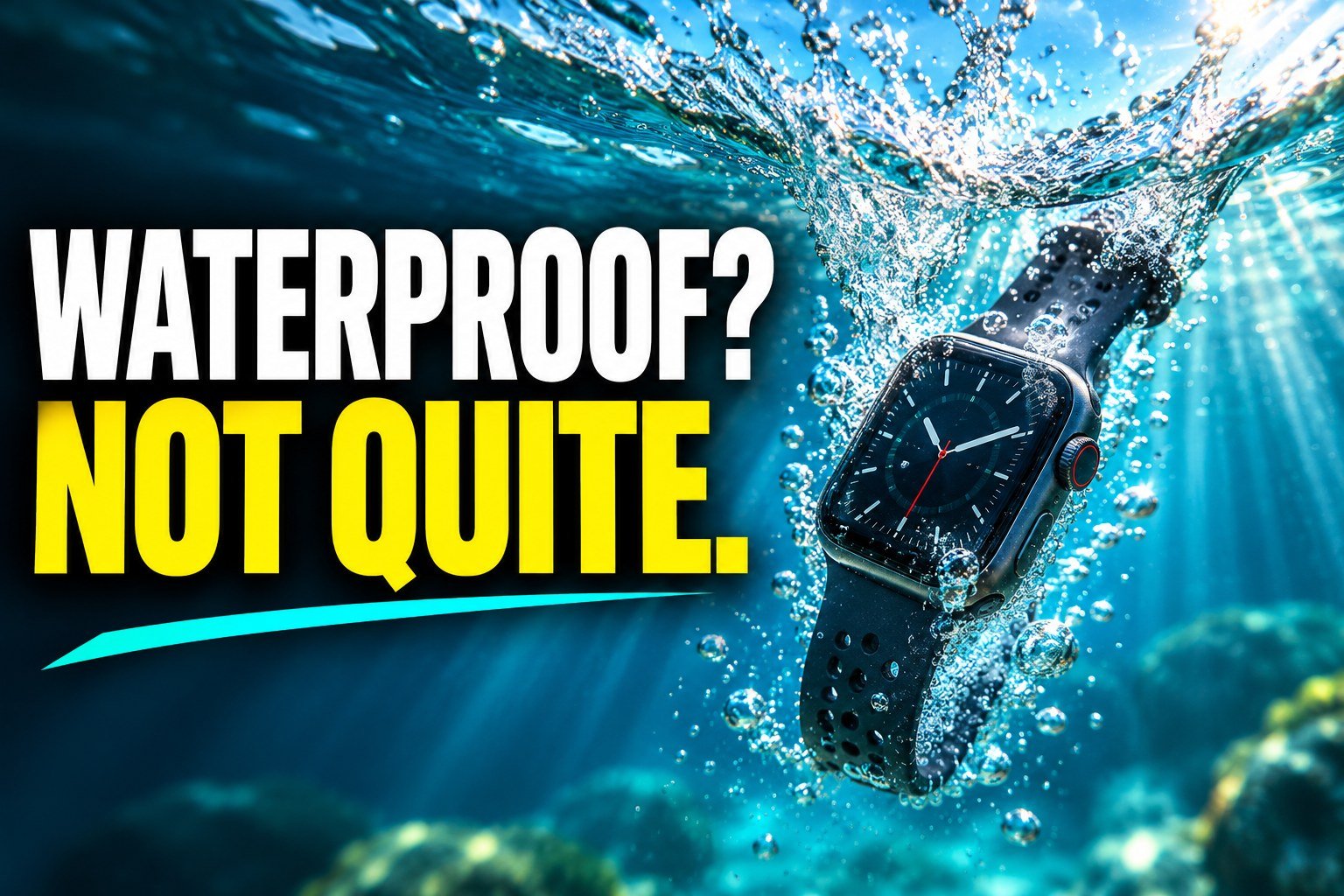
“Water resistant to 5 ATM” sounds like a promise you can dive 50 meters deep. It isn’t. Water ratings on smartwatches are some of the most misunderstood specs in tech, and getting them wrong is a great way to drown a $300 gadget.
What ATM actually means
ATM stands for atmospheres, a unit of pressure. A 5 ATM rating means the watch survived pressure equal to about 50 meters of still water in a lab test. The key word is still. In real life, moving your arm, diving in and water jets all push harder than standing water at the same depth.
| Rating | What it’s good for | Skip it for |
|---|---|---|
| IP68 | Rain, sweat, handwashing, a dunk in a sink | Usually swimming, check the maker’s guidance |
| 3 ATM | Rain, splashes, maybe a shower | Swimming |
| 5 ATM | Swimming laps, showers, beach days | Diving, high-speed water sports |
| 10 ATM | Swimming, snorkeling, surfing | Scuba diving |
| Dive-rated (EN13319 or ISO 6425) | Recreational scuba to the stated depth | Going beyond the stated depth |
IP68 vs ATM
IP ratings test for dust and water in a different way. IP68 means dust-tight and survives being underwater for a set time and depth, usually a meter or so for 30 minutes. That’s fine for rain and handwashing, but most makers don’t recommend swimming with an IP68-only watch. Many watches carry both, like IP6X for dust and 5 ATM for water.
What can damage a “waterproof” watch
Hot water is a big one. Saunas, hot tubs and very hot showers can soften seals over time. Soap, shampoo, sunscreen and salt water can wear seals down too, so rinse your watch in fresh water after the beach or pool. High-velocity water, like jet skiing or diving off a board, can push water past seals. And age matters. Seals wear out, and a drop can crack one without you noticing.
Which watches are safe for swimming?
Any watch rated 5 ATM or higher is fine for lap swimming, and most of them have swim-tracking modes that count laps and strokes. Apple Watch, Samsung Galaxy Watch, Garmin, Amazfit and Fitbit all have swim-safe models. For ocean sports and snorkeling, aim for 10 ATM. For scuba, only trust a watch with a real dive certification, like the Apple Watch Ultra or Garmin’s Descent line, and only to the depth they state.
We cover specific picks for swimmers, surfers and divers in our waterproof wearables guide.
Warranty fine print
Water damage often isn’t covered, even on water-resistant watches. Read the warranty and follow the maker’s care guide. Some watches also have a water lock mode that disables the touchscreen and pushes water out of the speaker afterward. Use it.
FAQ
What does 5 ATM water resistance mean?
The watch withstood pressure equal to about 50 meters of still water in a lab. In practice, it’s fine for swimming and showering, not for diving.
Can I swim with a 5 ATM smartwatch?
Yes. 5 ATM is generally considered safe for swimming laps in a pool or open water.
Can I swim with an IP68 smartwatch?
Usually not recommended. IP68 covers splashes and brief submersion, but most makers say not to swim with an IP68-only device.
Can I shower with my smartwatch?
Most 5 ATM watches handle showers, but hot water and soap can wear down seals over time. Many makers suggest avoiding hot showers.
Is 10 ATM good enough for scuba diving?
No. For scuba, you need a watch certified for diving, such as to ISO 6425 or EN13319, and only to its stated depth.