Heads up: some links on this page are affiliate links. As an Amazon Associate, we earn from qualifying purchases, at no extra cost to you. Read our full disclosure.
The best sleep tracker is the one you’ll actually wear to bed every night. That sounds obvious, but it rules out a lot of devices. A chunky watch that needs charging overnight can’t track the night it’s sitting on the charger.
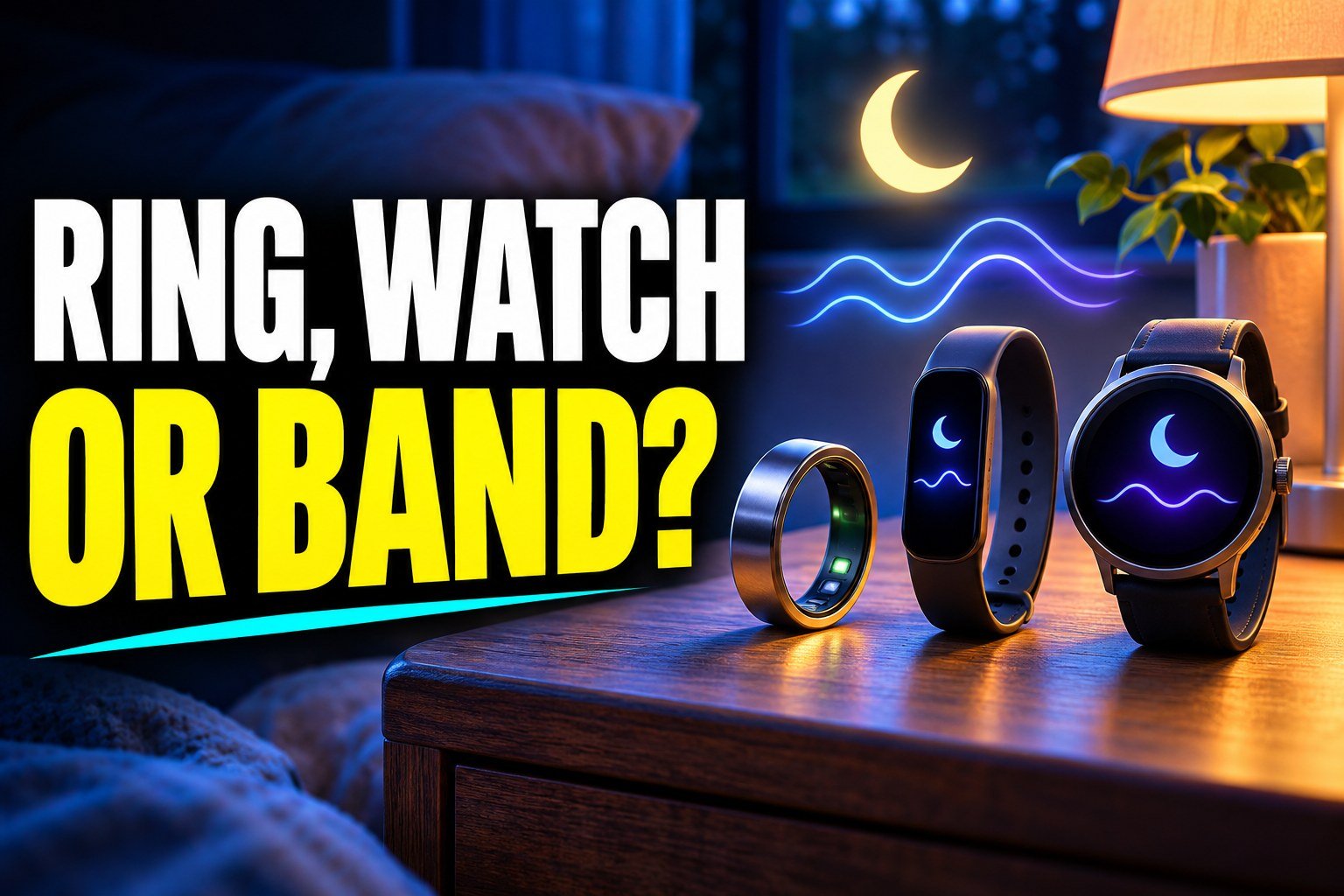
| Type | Comfort in bed | Battery | Best for |
|---|---|---|---|
| Smart ring | Excellent | About a week or more | Sleep-first people who hate wearing things to bed |
| Fitness band | Very good | About a week or more | People who want sleep plus daytime fitness |
| Smartwatch | Okay to good | One day to weeks, depending on model | People who want one device for everything |
Smart rings: the best for sleep
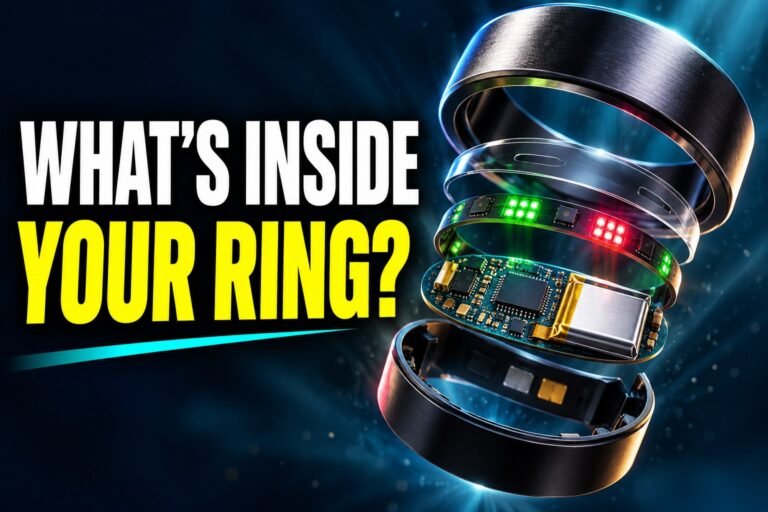
A ring is the easiest thing to sleep in. It’s tiny, it doesn’t light up, and the finger gives a strong heart rate signal. Rings like the Oura Ring and RingConn Gen 3 are built around sleep and recovery, and their sleep scores are some of the most useful you’ll find. The catch is that they don’t have screens, so you check everything on your phone. Our smart ring buyer’s guide has the picks.
Fitness bands: the practical middle
A slim band like the Fitbit Charge 6 is comfortable enough for most people at night, lasts days per charge, and still gives you a screen for daytime steps and workouts. Fitbit’s sleep tracking in particular is excellent. Screen-free bands are great sleepers too, and we cover them in Screen-Free Fitness Trackers: Are They Better?
Smartwatches: good data, battery trouble
Modern watches track sleep well. The problem is charging. If your watch lasts about a day, you’ll need to charge it in the morning or evening instead of overnight, or you’ll miss nights. Long-battery watches from Garmin and Amazfit avoid that problem. See our list of smartwatches with the longest battery life.
Bulk is the other issue. A big watch can bump your face or snag on sheets. If you go this route, a smaller case size makes a real difference.
How accurate is any of this?
No wearable is as accurate as a sleep lab, which uses brain-wave sensors. Wearables estimate your sleep stages from movement, heart rate, heart rate variability and sometimes temperature. They’re good at total sleep time and decent at deep and REM sleep. Where they really pay off is spotting patterns, like how a late coffee or a few drinks wreck your deep sleep. Watch your trends, not any single night’s score.
My pick
If sleep is your main goal, get a ring. If you also want steps and a screen, get a band. If you want one device for everything and you’re willing to manage charging, get a long-battery watch.
FAQ
What’s the most accurate sleep tracker?
Smart rings and good fitness bands tend to be the most accurate wearables for sleep, though none match a sleep lab.
Is a smart ring better than a watch for sleep tracking?
For most people, yes. It’s more comfortable, doesn’t light up, and lasts longer between charges.
Can a smartwatch track sleep without a subscription?
Yes. Apple, Samsung, Garmin and Amazfit watches show sleep data without a fee. Some brands put extra insights behind optional subscriptions.
Do sleep trackers detect sleep apnea?
Some devices offer features that flag possible signs of sleep apnea, where available in your country. They can’t diagnose it, so talk to a doctor if you’re concerned.
How should I wear a tracker for sleep?
Snug but comfortable. For a watch or band, a notch looser than during workouts is fine. For a ring, the index finger usually gives the best readings.